
Why are my teeth yellow? What's really going on, and what actually helps
Medically reviewed by Dr Abdul Osman (GDC 231996), Principal Dentist at Face Dental, Coventry
You brush twice a day. You floss, mostly. You might even have switched to a whitening toothpaste. And yet, when you catch your reflection or see yourself in a photo, your teeth look more yellow than you’d like.
It’s one of the most common things patients ask us about, and it’s a fair question. The honest answer is that yellow teeth aren’t always about how well you clean them. Sometimes it’s what you eat and drink. Sometimes it’s the structure of the tooth itself. And sometimes, it’s a sign that something needs checking.
The good news is that once you know why your teeth are yellow, it’s much easier to choose something that actually works, rather than spending money on products that can’t fix the real cause.
At Face Dental in Coventry, we see every type of discolouration, and in this guide our team explains the causes and the fixes that genuinely work.
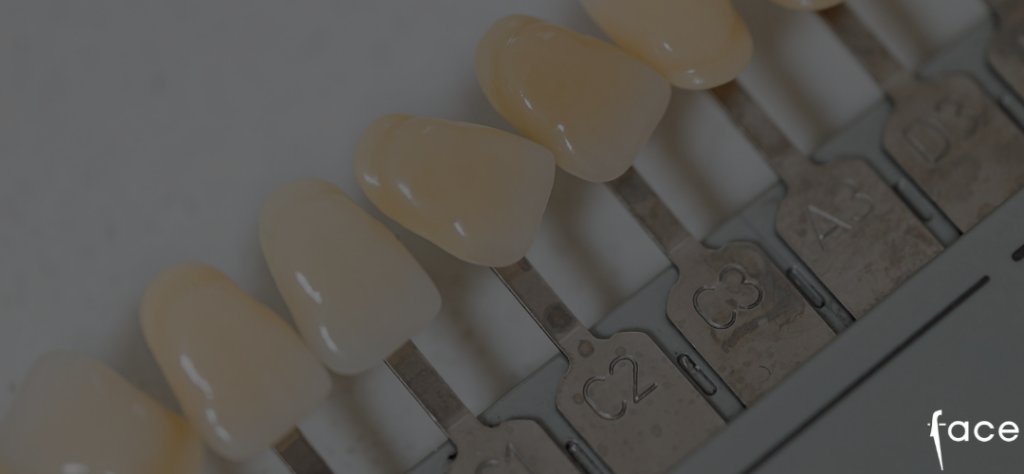
Start here: what kind of yellow is it?
Not all yellow is the same. The colour, pattern and position of the discolouration tell a dentist a lot about the cause. Have a look in a mirror in good daylight and see which of these sounds most like you.
What you can see | Most likely cause | What usually helps |
|---|---|---|
An even, pale yellow tone across all your teeth | Natural tooth colour or thinner enamel showing the dentine underneath | Professional whitening, or bonding or veneers if whitening isn’t enough |
Yellow or brown build-up near the gumline and between teeth | Plaque and tartar | A professional clean with a hygienist and better cleaning at home |
Brown or beige staining on the surface | Tea, coffee, red wine, curry, smoking | Hygienist stain removal, then whitening if you want to go lighter |
Teeth that look yellower and slightly see-through at the edges | Enamel wear or acid erosion | A check-up to assess the wear; bonding can rebuild worn edges |
One tooth darker, grey or yellow-brown compared with the rest | Past injury or a problem with the nerve | An examination and X-ray as soon as possible |
Patchy white and yellow-brown marks | Early decay, or developmental marks such as fluorosis | A check-up first; treatment depends on the cause |
Yellow returning a few months after whitening | Natural fade, plus everyday staining | Top-up whitening and regular hygiene visits |
This table is a guide, not a diagnosis. A dentist can tell the difference in seconds, so if you’re unsure, it’s worth getting it looked at.
At a dental check-up, your dentist will look at the colour, surface and structure of your teeth and explain exactly what’s causing the yellowing.
The main yellow teeth causes, explained
Your enamel is see-through (more than you’d think)
This is the cause most people have never heard of. Enamel, the hard outer layer of your teeth, is slightly translucent. Underneath it is dentine, which is naturally yellow. So the colour you see is really a mix of the two.
If your enamel is naturally thinner, or has worn down over time, more of that yellow dentine shows through. That’s why some people have yellow teeth even with excellent oral hygiene. It’s also why teeth tend to look yellower as we get older: enamel gradually wears and dentine thickens.
Surface stains from food, drink and smoking
Tea and coffee are the usual suspects, but red wine, cola, curry, soy sauce, berries and balsamic vinegar all leave pigments that stick to the surface of the teeth. Smoking and vaping can cause stubborn yellow-brown staining that builds up quickly.
These stains sit on the outside of the tooth, which is good news: they’re the easiest type to remove.
A session with a hygienist is usually the quickest way to lift them.
Plaque and tartar
Plaque is the soft, sticky film that builds up on teeth every day. If it isn’t removed, it hardens into tartar (also called calculus), which is yellow or brown and can’t be brushed away. It usually collects along the gumline and behind the lower front teeth.
We’ve covered the ins and outs of this in our guide on how to remove tartar from teeth, but the short version is that tartar needs professional removal.
Acid wear
Fizzy drinks, fruit juice, sports drinks, citrus fruit and even “healthy” habits like sipping lemon water can soften enamel over time. As it thins, teeth look yellower and the biting edges can start to look glassy or chipped.
Medication and health factors
Some antibiotics taken in childhood (particularly tetracyclines) can cause grey or yellow-brown banding in adult teeth. Certain mouthwashes containing chlorhexidine and liquid iron supplements can also stain. Some medical conditions and treatments affect enamel development too.
Genetics
Some people simply have naturally darker or more yellow teeth, just as people have different skin and hair tones. It’s not a sign of poor health.
A few myths worth clearing up
“Yellow teeth mean you don’t brush properly.” Not necessarily. Thin enamel, genetics and age all play a part, and many people with yellow teeth have excellent oral hygiene.
“Whitening toothpaste will make my teeth whiter.” Whitening toothpastes can help remove some surface stain, but they can’t change the natural colour of your teeth. Many work by being more abrasive, which can wear enamel if overused.
“Charcoal toothpaste is a natural way to whiten.” Charcoal is abrasive and can scratch enamel. Over time this can make teeth more yellow by thinning the enamel and exposing more dentine.
“Lemon juice and bicarbonate of soda are safe home remedies.” Lemon is acidic and softens enamel. Combining it with an abrasive like bicarbonate of soda is one of the quickest ways to cause permanent damage.
“White teeth are healthy teeth.” Colour and health aren’t the same thing. A slightly yellow tooth can be perfectly healthy, while a bright white one can still have decay or gum disease.
What actually works: matching the fix to the cause
If it’s surface staining or tartar: a professional clean
For many people, the biggest single improvement comes from a visit to the dental hygienist. A hygienist removes tartar and polishes away surface stains in ways a toothbrush can’t, and patients are often surprised by how much lighter their teeth look afterwards.
Our hygienists will also show you how to keep stains from building up again, including cleaning between your teeth properly. If that’s something you struggle with, our guide on how to use an interdental brush walks you through it step by step.
If it’s the natural colour of your teeth: professional whitening
If your teeth are clean and healthy but still more yellow than you’d like, professional teeth whitening is the most effective way to lighten their natural shade.
In the UK, it’s illegal for anyone other than a dental professional to carry out tooth whitening with effective strengths of whitening gel. Products sold online or in beauty salons are either too weak to work or not legal and potentially harmful. Dentist-led whitening uses custom-made trays and carefully controlled gels, so results are safer and more predictable.
One thing to know: whitening only works on natural teeth. Existing fillings, crowns and veneers won’t change colour, so we’ll always plan around them.
Some patients combine whitening with composite bonding on a few front teeth, which evens out shape as well as colour.
If whitening isn’t enough: composite bonding or veneers
Some types of discolouration, such as deep internal staining, tetracycline banding or very thin enamel, don’t respond well to whitening alone. In these cases, covering the front of the tooth can give a better result.
Composite bonding uses tooth-coloured resin applied to the front of the teeth. It can mask discolouration, rebuild worn or chipped edges and improve shape, usually without drilling healthy tooth. Many patients whiten first and then have bonding matched to their new, lighter shade. You can find out more in our guide to what composite bonding involves.
For more severe staining, or where you’d like to change several teeth at once, porcelain veneers offer a longer-lasting, highly stain-resistant option.
If one tooth has changed colour: get it checked
A single tooth that turns yellow, grey or dark is different from general yellowing. It can be a sign that the nerve inside has been damaged, often after a knock, sometimes years earlier. This needs an X-ray to check what’s happening, so book a dental check-up rather than trying to whiten it.
Your treatment options side by side
Option | Best for | How long it takes | How long results last |
|---|---|---|---|
Hygienist clean | Surface stains and tartar | One appointment | Until stains build up again; regular visits keep it fresh |
Professional whitening | Naturally yellow but healthy teeth | A few weeks with home trays | Often one to three years, with top-ups |
Composite bonding | Deep stains, worn or chipped edges, uneven shape | Usually one or two visits | Around five to seven years, with polishing |
Porcelain veneers | Severe discolouration, several teeth at once | Usually two or three visits | Often ten to fifteen years or more |
Small habits that keep teeth brighter
You don’t need to give up coffee to keep your teeth looking good. A few simple changes make a real difference:
- Drink staining drinks with a meal rather than sipping them slowly throughout the day
- Rinse with water after tea, coffee or red wine
- Use a straw for iced coffee, fizzy drinks and juices
- Wait at least 30 minutes after acidic food or drink before brushing, as softened enamel wears more easily
- Use a fluoride toothpaste and a soft or medium brush, not a hard one
- Clean between your teeth daily, as stains love to collect in the gaps
- Stop smoking, which is one of the biggest causes of stubborn yellow staining
- Keep up with regular hygiene and check-up visits. Our article on how often you should go to the dentist explains why the right interval varies from person to person
When yellowing could be something more
Most yellow teeth are a cosmetic issue rather than a health one. But see a dentist sooner rather than later if you notice:
- One tooth that has suddenly changed colour
- Brown or black spots that don’t polish away
- Yellowing along with sensitivity, pain or a rough surface
- Teeth that look thinner, see-through or are chipping at the edges
- Bleeding or swollen gums alongside the staining
A routine check-up will rule out decay, erosion or nerve problems, so any cosmetic treatment is built on a healthy foundation.
Why patients choose Face Dental
Face Dental is a family-run practice on Quinton Road in Coventry, built on two generations of dental experience. Some of our patients have been with us for more than 30 years, and many now bring their children and grandchildren.
Our team includes Senior Associate Ditesh Panchal (GDC 68114), who focuses on cosmetic dentistry, and our dental hygienists Anj Lall (GDC 4361) and Liliana Angel Chaux (GDC 297180). The practice is led by principal dentist Dr Abdul Osman (GDC 231996), who has lectured nationally for the International Team for Implantology (ITI) and the British Academy of Implant and Restorative Dentistry (BAIRD), and is a key opinion leader for Bredent and Meisinger.
Whatever’s behind your yellow teeth, we’ll start by finding the cause, then talk you through every option honestly, including the simplest one. Sometimes a good clean is all you need. If you’d like to talk it through, you can get in touch with our team, call us on 024 7650 1125, or visit us at 76 Quinton Road, Coventry, CV3 5FD.
Disclaimer
The information in this article is intended for general educational guidance only and does not constitute personalised dental advice. For a proper assessment of your individual recall interval, please book an appointment with a qualified dental professional
Face Dental is a private dental practice at 76 Quinton Rd, Coventry, CV3 5FD, a family legacy built on two generations of expertise, led by Dr Abdul Osman GDC: 231996, international lecturer for the ITI and BAIRD and key opinion leader for Bredent copaSKY implants and Meisinger surgical instruments. We offer dental check-ups, dental hygienist appointments, Invisalign, composite bonding, porcelain veneers, teeth whitening, dental crowns, dental implants, smile makeovers, facial aesthetics and emergency appointments. Call 02476 501 125 or contact us online.
Frequently asked questions
Why are my teeth yellow even though I brush every day?
Brushing removes plaque, but it can’t change the natural colour of your teeth. Enamel is slightly see-through, so if it’s naturally thin or has worn over time, the yellow dentine underneath shows through. Genetics, age, and staining foods and drinks also play a part.
Can yellow teeth become white again?
In most cases, yes. Surface stains can be removed by a hygienist, and professional whitening can lighten the natural colour of your teeth. For deeper staining that whitening can’t reach, composite bonding or veneers can give a whiter appearance.
Is it safe to whiten my teeth at home?
Dentist-prescribed home whitening, using custom trays and regulated gels, is safe and effective. Over-the-counter kits are either too weak to make much difference or not legal. DIY remedies like lemon juice, bicarbonate of soda and charcoal can permanently damage enamel.
Do yellow teeth mean my teeth are unhealthy?
Not necessarily. Many yellow teeth are perfectly healthy, and tooth colour isn’t a reliable measure of health. However, yellowing along with sensitivity, rough patches, brown spots or a single darkened tooth should be checked by a dentist.
How much does it cost to fix yellow teeth?
It depends on the cause. A hygiene appointment is the most affordable option and often makes a noticeable difference. Professional whitening, composite bonding and veneers cost more. We’ll always explain the options and give you a clear price before any treatment starts.
If you’d like to know current fees or finance options, our reception team is happy to help when you get in touch.
About the medical reviewer: Dr Abdul Osman (GDC 231996) is the Principal Dentist at Face Dental and leads the practice’s dental implant service. He has lectured nationally for the International Team for Implantology (ITI) and the British Academy of Implant and Restorative Dentistry (BAIRD), and is a key opinion leader and international lecturer for Bredent copaSKY implants, as well as a key opinion leader for Meisinger surgical instruments.
If you’d like a check-up, a hygiene appointment or simply an honest opinion on the best toothbrush for you, you can get in touch with our team, call us on 02476 501 125, or visit us at 76 Quinton Road, Coventry, CV3 5FD.