Do you really need a £420 Dyson toothbrush?
An Honest Look
Medically reviewed by Dr Abdul Osman (GDC 231996), Principal Dentist at Face Dental, Coventry
The short answer first
For most people, no. The Dyson toothbrush isn’t a bad product, and some of the engineering is clever. But the things that keep teeth and gums healthy are simple, affordable and well proven. A £40 electric toothbrush used properly, twice a day, alongside cleaning between your teeth and regular dental visits, will do far more for your mouth than a £420 toothbrush used on its own.
That’s the headline. Here’s the detail behind it.
So what is the Dyson toothbrush?
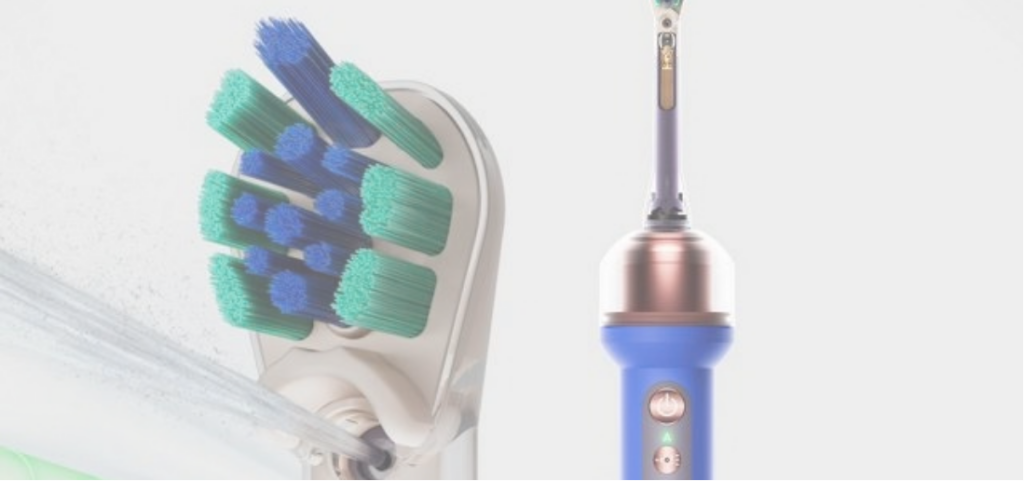
Dyson, the company best known for vacuum cleaners and hair dryers, has launched its first toothbrush, the CameraJet. It went on sale on 1 September 2026, priced at $499.99 in the US and £419.99 in the UK.
The idea is to combine brushing, flossing and rinsing in one handset. A tiny camera sits just below the brush head, and Dyson says it analyses 28 images per second to spot the gaps between your teeth, then fires a burst of mouthrinse into them. It also offers three brushing modes, a pressure warning, a charging and refilling dock, and an app that shows live footage from inside your mouth while you brush.
It’s genuinely inventive, and Dyson says it took six years of research and engineering to develop. The real question isn’t whether it’s clever. It’s whether you need it.
Why a vacuum company making toothbrushes raises eyebrows
Plenty of people have had the same first reaction to the news: why is a vacuum company making toothbrushes?
It’s a reasonable question. Dyson’s expertise lies in motors, airflow and consumer engineering. Oral health is a clinical field, built on decades of research into how plaque forms, how gum disease develops and what actually prevents decay. Great engineering doesn’t automatically mean better clinical outcomes, and a product can be technically impressive without solving the problems most patients actually have.
Those problems tend to be fairly ordinary. In day-to-day dentistry, tooth decay and gum disease are most often linked to skipped cleaning between the teeth, frequent sugar, missed check-ups and problems that go unnoticed until they hurt. None of these are caused by a lack of technology, and none of them are fixed by it either. A toothbrush, however advanced, can only work with the habits of the person holding it.
Reading the small print on those claims
Dyson makes some bold claims, so it’s worth looking at what they actually mean.
“Clinically proven to improve gum health.” This is true, but the comparison matters. Dyson’s clinical study involved 204 people over six weeks, and it compared the CameraJet with a manual toothbrush. Most decent electric toothbrushes beat a manual one for plaque removal. Outperforming a £3 brush is not the same as outperforming a £40 one.
“Up to 69% more plaque removed.” This figure comes from lab testing using proxy plaque developed through research with the National University of Singapore. Lab results on artificial plaque are useful for product development, but they don’t always reflect what happens in a real mouth, on a busy morning, in real life.
“Whiter teeth.” The brush head is designed to lift surface stains, which is what most whitening toothpastes aim to do too. Surface stains from tea, coffee and red wine are one thing. Changing the actual shade of your teeth is something no toothbrush can do.
A bumpy start. Early buyers haven’t had a smooth experience either. Some owners have reported liquid getting into the battery compartment within days, and some units failing within weeks. Dyson has acknowledged the issue, saying it affects a small number of early batches and that affected customers are being offered a full refund. New technology often has early problems, but it’s worth knowing before spending over £400.
Where your £420 could go instead
Here’s how the Dyson toothbrush compares with other ways of spending money on your oral health. Prices for non-Dyson items are typical UK high street prices and will vary.
Option | Rough cost | What it does well | What it can’t do |
|---|---|---|---|
Dyson CameraJet | £419.99, plus replacement heads (£25 for two) and Dyson’s own toothpaste and rinse | Brushes and jets rinse between teeth in one go, gives app feedback on technique | Diagnose decay, spot gum disease, remove hardened tartar |
Mid-range electric toothbrush | £30 to £100 | Removes plaque well, many have timers and pressure sensors | Clean properly between teeth on its own |
Interdental brushes | A few pounds a pack | Clean between teeth, where much gum disease and decay starts | Replace brushing |
Regular dental check-ups | Varies, ask your practice | Early detection of decay, gum disease, worn fillings and mouth cancer | Do your daily cleaning for you |
Hygienist visits | Varies, ask your practice | Remove tartar that no toothbrush can shift, and help improve your technique | Make up for a poor routine between visits |
Once you add a year of replacement heads, toothpaste and mouthrinse, the first-year cost of the Dyson toothbrush comes close to £500. For the same money, a good electric toothbrush, a year’s supply of interdental brushes and professional care would leave you with change to spare, plus a dental team keeping an eye on your mouth.
What actually keeps your teeth and gums healthy
None of this is exciting, but it works, and it’s in line with long-standing NHS and UK dental guidance.
Brush twice a day for two minutes. Use a fluoride toothpaste (1,350 to 1,500ppm for most adults). Brushing last thing at night is especially important.
Spit, don’t rinse. Rinsing with water or mouthwash straight after brushing washes away the fluoride your toothpaste has just left behind. If you like using mouthwash, try it at a different time of day.
Clean between your teeth every day. A toothbrush only reaches three of the five surfaces of each tooth. Interdental brushes are the first choice for most adults, and water flossers can help if you find brushes difficult to use. Getting the right size matters, as a brush that’s too small does very little.
Cut down how often you have sugar. How often you have it matters more than how much. Keeping sugary snacks and drinks to mealtimes gives your teeth time to recover.
See your dentist and hygienist regularly. This is the part no gadget can replace. A dental check-up picks up early decay, gum problems and changes in the soft tissues of your mouth long before you would notice them yourself. A visit to the dental hygienist removes hardened tartar that no toothbrush, however expensive, can remove at home.
Is anyone better off with a Dyson toothbrush?
To be fair, some people might be.
If you already have a solid routine, enjoy technology and will genuinely use the app to improve your technique, the CameraJet could suit you. People who struggle to stick with traditional flossing may find a combined brush and jet easier to turn into a habit. And if cost isn’t a concern, there’s no evidence that owning one does any harm.
Where it falls short is as a shortcut. If the hope is that it will replace dental visits, or make up for years of skipping interdental cleaning, it won’t. Plaque that has hardened into tartar needs professional removal, and gum disease that has already started needs a proper clinical assessment.
If you’re not sure whether a particular toothbrush would help you, it’s worth asking at your next appointment. Advice based on your own teeth and gums will always be more useful than a product description.
The things no toothbrush can fix
Even the best cleaning routine has limits. A toothbrush can’t rebuild a chipped front tooth, close a small gap or even out teeth of slightly different lengths. These are cosmetic concerns, and they’re often quick to treat. For example, composite bonding uses tooth-coloured material to repair chips and reshape teeth, often in a single visit and without removing healthy tooth structure.
In the same way, a camera on a toothbrush can show you the surface of your teeth, but it can’t tell you what’s happening underneath. X-rays, gum measurements and a trained clinical eye can. That’s why, at Face Dental, we’d always recommend putting your money towards prevention and professional care before a new gadget.
Disclaimer
The information in this article is intended for general educational guidance only and does not constitute personalised dental advice. For a proper assessment of your individual recall interval, please book an appointment with a qualified dental professional
Face Dental is a private dental practice at 76 Quinton Rd, Coventry, CV3 5FD, a family legacy built on two generations of expertise, led by Dr Abdul Osman GDC: 231996, international lecturer for the ITI and BAIRD and key opinion leader for Bredent copaSKY implants and Meisinger surgical instruments. We offer dental check-ups, dental hygienist appointments, Invisalign, composite bonding, porcelain veneers, teeth whitening, dental crowns, dental implants, smile makeovers, facial aesthetics and emergency appointments. Call 02476 501 125 or contact us online.
Frequently asked questions
Is the Dyson toothbrush better than other electric toothbrushes?
Dyson’s gum health study compared the CameraJet with a manual toothbrush, not with other electric toothbrushes, and its plaque figures come from lab tests. There isn’t yet independent evidence showing it gives better real-world results than a good mid-range electric toothbrush used properly.
Can the Dyson CameraJet replace flossing or interdental brushes?
It’s designed to clean between teeth with a jet of rinse, which may help some people. However, interdental brushes remain the first choice for most adults in UK dental guidance, because they physically disrupt plaque between the teeth. If you use a jet-style cleaner, ask your hygienist whether it’s reaching the areas you need.
Do I need an electric toothbrush at all?
Not necessarily. A manual toothbrush used well, for two minutes twice a day, can keep your mouth healthy. That said, research shows electric toothbrushes tend to remove more plaque and reduce gum inflammation more than manual ones for most people, and they don’t need to be expensive to do that.
Can a smart toothbrush replace my dental check-up?
No. A toothbrush camera can show the surface of your teeth, but it can’t detect early decay between teeth, measure gum health, check existing fillings or screen for mouth cancer. Regular check-ups are still essential, even with an excellent home routine.
How often should I see a hygienist?
It depends on your gum health, your risk of decay and how quickly tartar builds up for you. Some patients benefit from visits every three months, others every six to twelve months. Your dentist or hygienist will recommend a schedule based on your needs.
Honest advice from a real dental team
Gadgets come and go, but what keeps a smile healthy for life is a good daily routine and a dental team who know you. Face Dental is a family practice built on two generations of dental experience, and our aim is always to give clear, honest advice, even when that advice is to keep your money in your pocket.
If you’d like a check-up, a hygiene appointment or simply an honest opinion on the best toothbrush for you, you can get in touch with our team, call us on 02476 501 125, or visit us at 76 Quinton Road, Coventry, CV3 5FD.
About the medical reviewer: Dr Abdul Osman (GDC 231996) is the Principal Dentist at Face Dental and leads the practice’s dental implant service. He has lectured nationally for the International Team for Implantology (ITI) and the British Academy of Implant and Restorative Dentistry (BAIRD), and is a key opinion leader and international lecturer for Bredent copaSKY implants, as well as a key opinion leader for Meisinger surgical instruments.
If you’d like a check-up, a hygiene appointment or simply an honest opinion on the best toothbrush for you, you can get in touch with our team, call us on 02476 501 125, or visit us at 76 Quinton Road, Coventry, CV3 5FD.