
How long do dental implants last? What affects their lifespan
Medically reviewed by Dr Abdul Osman (GDC 231996), Principal Dentist at Face Dental, Coventry
Dental implants are an investment. They take time, they involve a surgical procedure and they cost more than most other ways of replacing a tooth. So it is fair to ask how long they will actually last.
The short answer is that implants are built to last for decades, and the titanium post can often last a lifetime. But “implant” is really three or four separate parts, and they do not all last the same length of time. This guide explains what to expect, what shortens an implant’s life and what you can do to protect yours.
The quick answer
- The implant post (fixture): often decades, and can last a lifetime with good care
- The crown on top: commonly 10 to 20 years before it needs replacing
- A bridge or denture attached to implants: the framework lasts many years, but the visible teeth or attachments wear and may need replacing
- Conventional alternatives: bridges often last 10 to 15 years, and dentures typically need replacing every 5 to 8 years as the jaw changes shape
Now let’s look at why.
Why implants last so long
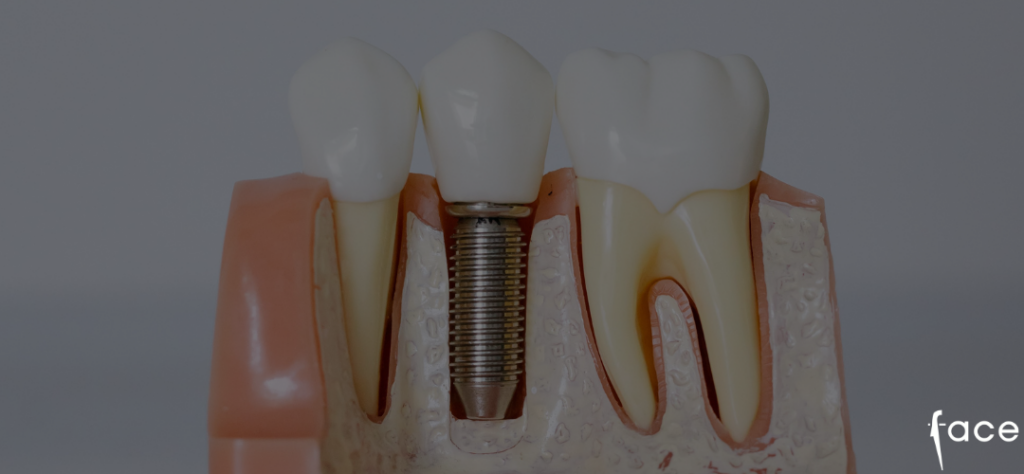
An implant is a small titanium post placed in the jawbone. Over the following months, the bone grows around it and fuses to it. This is called osseointegration. It is what makes an implant so stable, and what sets it apart from every other tooth replacement option.
Because the post sits in bone, it does not rely on neighbouring teeth for support. It is also not vulnerable to decay, because titanium cannot get cavities. The things that threaten it are infection, bone loss and mechanical stress.
Real-world numbers back this up. Leeds Teaching Hospitals NHS Trust reports that around 90% of implants placed ten years ago are still present and working today. That is a strong long-term result, though it is not a guarantee, and it is worth understanding what causes the other 10%.
Which parts of an implant last how long?
Part | What it is | Typical lifespan |
|---|---|---|
Implant post (fixture) | The titanium post in the bone | Decades, and potentially a lifetime |
Abutment | The connector between post and crown | Long term, but the screw can loosen |
Crown | The visible tooth | Around 10 to 20 years |
Implant-supported bridge | Several teeth on implants | Long term, but the porcelain can chip |
Implant-retained denture | A removable denture clipped to implants | Attachments wear and need replacing |
The crown does the hard work. It takes the biting forces and meets food, grinding and wear every day, just like a natural tooth. So it is the part most likely to need replacing. Replacing a crown is a far smaller procedure than replacing an implant, and the post underneath stays where it is.
NHS guidance makes the same point. The porcelain on a crown or bridge can chip or come off, and attachments on an overdenture can wear and need replacing, according to the Leeds Trust’s implant information.
What shortens the life of a dental implant?
Most implant problems come from a short list of causes.
Gum infection around the implant. This is called peri-implantitis. Plaque builds up around the implant, the gum becomes inflamed and, if it is not treated, bone is lost. It is the most common reason implants fail in the long term, and it is largely preventable.
Smoking. Smoking restricts blood flow to the gums and slows healing. It significantly raises the risk of both early and late implant failure. NHS implant services ask patients to stop smoking for exactly this reason.
Poor oral hygiene. An implant does not need less cleaning than a natural tooth. It needs more attention. Plaque left around the join between the gum and the implant is where trouble starts.
A history of gum disease. If you have had gum disease, you are more at risk of problems around an implant. This is why active gum disease must be treated before implants are placed.
Teeth grinding. Heavy clenching and grinding put extra force on implants and the crowns above them. This can chip porcelain, loosen screws and, over time, strain the bone.
Certain health conditions. Poorly controlled diabetes and some medicines can affect healing and bone health. This does not rule out implants, but it needs discussing at the planning stage.
Not enough bone, or poor planning. If the bone is thin or the implant is placed at the wrong angle, the result is less stable. This is why careful assessment, scans and planning matter.
What helps implants last longer?
The good news is that most of the factors that matter are in your hands.
Clean them every day. Brush twice a day and clean around and between your implants. Interdental brushes and a water flosser can both help. We will show you the best method for your mouth.
Keep up with check-ups. Regular dental check-ups let us examine the gums, check the bite and take X-rays where needed. Problems caught early are far easier to treat.
See the hygienist. A dental hygienist can clean around implants in places a toothbrush cannot reach. Professional maintenance is one of the best ways to prevent peri-implantitis.
Stop smoking. If you smoke, stopping before and after implant treatment gives the implant the best chance.
Protect against grinding. If you clench or grind, ask us about a night guard to protect your implants and crowns.
Treat gum problems early. If you notice bleeding, swelling or tenderness around an implant, do not wait. Early gum treatment can stop a small problem becoming a big one.
A simple maintenance routine
How often | What to do |
|---|---|
Every day | Brush twice, clean around and between implants, avoid chewing ice or hard objects |
Every 3 to 6 months | Hygiene appointment, as your dentist advises |
At least once a year | Check-up with X-rays as needed |
Whenever you notice a change | Contact us promptly |
Warning signs to watch for
Call us if you notice any of these around an implant:
- Bleeding when you brush or clean around it
- Red, swollen or tender gums
- A bad taste or bad breath that does not go away
- Pus coming from the gum
- A crown or bridge that feels loose
- Pain when you bite
- The gum pulling away, or the implant looking longer than before
Many of these are signs of early infection, which is very treatable when caught in time.
How does this compare with other options?
A good bridge can last 10 to 15 years, but it relies on the teeth either side of the gap, which have to be shaped to hold it, and it does not stop the jawbone shrinking underneath. Conventional dentures are the quickest and lowest-cost option, but they usually need replacing every five to eight years, because the jaw changes shape. Implant-retained dentures and same-day teeth give more stability and help preserve bone.
Over a lifetime, the higher upfront cost of implants can work out well, because you replace parts rather than starting again. But the best option depends on your mouth, your health and your goals. We will tell you honestly which suits you.
Why choose Face Dental for implants?
Face Dental is a family-run private practice in Coventry. Our principal dentist, Dr Abdul Osman, has been placing implants here since 2012. He holds a Masters in dental implants and a postgraduate certificate in implantology, and is a member of the Association of Dental Implantology UK and the International Team for Implantology.
You can read about the treatment itself on our dental implants page. If you want to know whether implants suit you, the first step is a consultation, where we examine your mouth, review your medical history and take X-rays to assess your jaw.
If you have implants and want them checked, or you are thinking about getting them, get in touch. We will look at your mouth, answer your questions and give you an honest view of what to expect.
Disclaimer
The information in this article is intended for general educational guidance only and does not constitute personalised dental advice. For a proper assessment of your individual recall interval, please book an appointment with a qualified dental professional
Face Dental is a private dental practice at 76 Quinton Rd, Coventry, CV3 5FD, a family legacy built on two generations of expertise, led by Dr Abdul Osman GDC: 231996, international lecturer for the ITI and BAIRD and key opinion leader for Bredent copaSKY implants and Meisinger surgical instruments. We offer dental check-ups, dental hygienist appointments, Invisalign, composite bonding, porcelain veneers, teeth whitening, dental crowns, dental implants, smile makeovers, facial aesthetics and emergency appointments. Call 02476 501 125 or contact us online.
Frequently asked questions
How long do dental implants last?
The implant post can last for decades, and often a lifetime, with good care. The crown on top commonly lasts 10 to 20 years before it needs replacing, in the same way a natural tooth restoration eventually does.
Do dental implants need to be replaced?
The titanium post usually does not. The crown, or the teeth and attachments on an implant-supported bridge or denture, may need replacing over time because of normal wear.
What is the most common reason implants fail?
Infection and bone loss around the implant, known as peri-implantitis, is the most common long-term cause. Smoking and poor oral hygiene raise the risk, while good cleaning and regular check-ups reduce it.
Can dental implants fail after many years?
Yes, though it is uncommon. Late failure is usually caused by gum infection and bone loss, or by heavy mechanical stress such as grinding. Regular maintenance helps catch problems early.
How do I make my dental implants last longer?
Clean around them daily, attend check-ups and hygiene appointments, avoid smoking, treat gum problems early and protect them from grinding with a night guard if needed.
About the medical reviewer: Dr Abdul Osman (GDC 231996) is the Principal Dentist at Face Dental and leads the practice’s dental implant service. He has lectured nationally for the International Team for Implantology (ITI) and the British Academy of Implant and Restorative Dentistry (BAIRD), and is a key opinion leader and international lecturer for Bredent copaSKY implants, as well as a key opinion leader for Meisinger surgical instruments.
If you’d like a check-up, a hygiene appointment or simply an honest opinion on the best toothbrush for you, you can get in touch with our team, call us on 02476 501 125, or visit us at 76 Quinton Road, Coventry, CV3 5FD.