
What is composite bonding?
And could it be the smile change you have been thinking about?
You want to do something about your teeth. A chip that has been bothering you for years. A gap you have learned to smile around. Uneven edges that make your teeth look worn. But the idea of veneers feels like a big commitment, and whitening will not fix shape or size.
This is exactly the space that composite bonding fills.
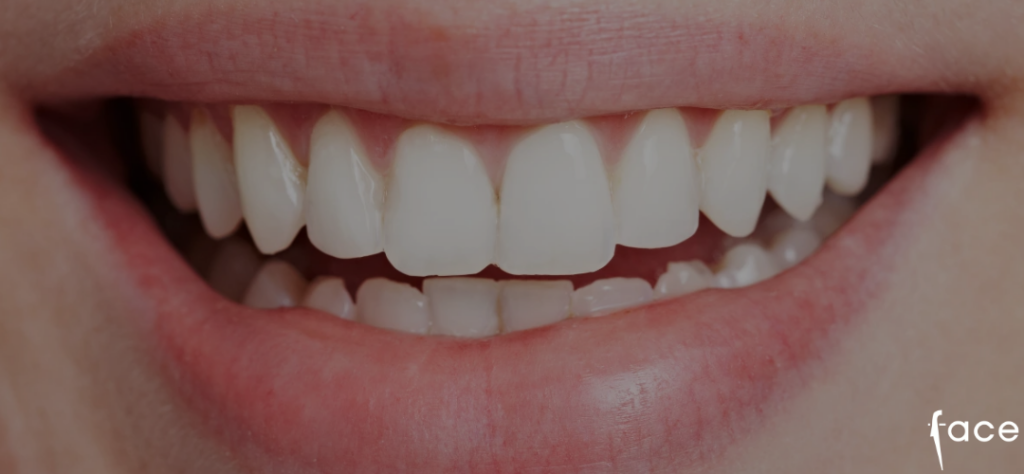
What is composite bonding? It is a cosmetic dental procedure in which tooth-coloured composite resin is applied directly to the surface of one or more teeth, sculpted into shape, hardened with a curing light, and polished to a natural finish. The result — visible the moment you leave the chair — is a tooth that looks repaired, refined or completely transformed, depending on what you came in with.
At Face Dental in Coventry, composite bonding is one of our most requested cosmetic treatments. Led by Dr Abdul Osman GDC: 231996 — a clinician who has lectured nationally for the International Team for Implantology (ITI) and the British Academy of Implant and Restorative Dentistry (BAIRD), and serves as an international key opinion leader for Bredent copaSKY implants — our practice is built on two generations of dental expertise and a genuine commitment to results that look right for each individual patient.
Here is everything you need to know.
The essentials at a glance
Before getting into the detail, here is a quick reference summary of what composite bonding involves:
Feature | Detail |
Material | Composite resin (resin matrix + ceramic filler particles) |
Treatment time | 30–60 minutes per tooth; full smile 2–4 hours |
Anaesthetic needed? | Rarely — most cases require none |
Tooth preparation | Minimal or none in most cases |
Reversible? | Yes — composite can be removed without permanent tooth alteration |
Results visible? | Immediately, same appointment |
Typical lifespan | 5–7 years with good care |
Maintenance required | Regular hygiene appointments and periodic polishing |
Not suitable for | Existing crowns, veneers or bridges (composite does not bond to ceramic) |
Best combined with | Teeth whitening (always whiten first), composite bonding last |
So what exactly is composite bonding — the material itself?
Composite resin has been used in dentistry for decades, but the modern materials are a long way from early formulations. Today’s composites are sophisticated layering systems that include:
- A resin matrix (typically Bis-GMA — bisphenol A-glycidyl methacrylate) that forms the binding medium
- Inorganic filler particles — glass, ceramic or silica — that provide strength, wear resistance and optical properties
- Photoinitiators that trigger the hardening reaction when activated by a blue LED curing light
The filler particle size, distribution and loading level determine how the material behaves clinically and aesthetically. Nanohybrid composites — which use a blend of nano-scale and micro-scale filler particles — are the materials of choice for cosmetic bonding: they are strong enough to withstand the forces of normal biting and chewing, and they can be polished to a surface that closely mimics the reflectance and translucency of natural enamel.
Different composite systems offer a wide range of shades, opacities and levels of translucency. A skilled clinician layers these strategically to replicate the way natural teeth interact with light — with a more opaque dentine-layer effect deeper in the restoration and a translucent enamel-layer effect at the edges and surface.
This layering technique is what separates genuinely excellent composite bonding from average results. Composite placed as a single bulk layer looks flat, uniform and artificial — regardless of how well the shade was matched. Properly stratified composite, placed with understanding of optical depth, captures the dimensional quality of a natural tooth.
What can composite bonding actually fix?
This is where most patients’ questions really start. Here is an honest breakdown of what composite bonding is suited to and where its limitations lie.
- Chipped or fractured teeth The most immediate application. A chipped front tooth — whether from an accident, biting something hard or just wear over time — can typically be restored in a single 30 to 60 minute appointment, with no drilling and no anaesthetic required. The composite is built to replace the missing portion, matched to the natural tooth shade and polished to a seamless finish.
- Gaps between teeth Composite bonding can close or reduce gaps by building out the width of one or both adjacent teeth. The central gap (diastema) between the upper front teeth is one of the most common requests — and one of the most satisfying to treat, because the change is so immediately visible. The proportions need to be considered carefully: widening two teeth to close a gap that is very wide may produce teeth that look unnaturally wide relative to the face. An experienced clinician will tell you honestly what is achievable.
- Worn or short teeth Years of grinding, acid erosion or simply ageing can wear the biting edges of the front teeth, making them appear shorter and giving the face a more aged, collapsed appearance. Composite bonding rebuilds these edges, restoring both length and the support that the lips and lower face need from the tooth structure behind them.
- Discoloured or stained individual teeth Where a single tooth is darker than its neighbours — due to old trauma, a previous root canal, or developmental causes — composite bonding can mask the underlying colour with a layer of appropriately opaque composite. This is not always the best solution for severe discolouration, where porcelain veneers offer better opacity and colour stability, but for mild to moderate cases it works well.
- Uneven edges and irregular shapes A front tooth that is pointed, a lateral incisor that is narrower than it should be (a peg lateral), or a canine that does not align with its neighbours — all of these can be reshaped and brought into better harmony with composite bonding, producing a more even, proportionate smile without touching the underlying tooth.
- Minor misalignment — the ‘instant orthodontics’ effect A tooth that is very slightly rotated or sits marginally out of line can sometimes be made to look straighter by altering its shape with composite. This is not a substitute for orthodontics where alignment is the genuine concern, and it only works within a narrow range — but for specific teeth in specific positions, it is a clinically valid approach.
The treatment itself: what actually happens at your appointment
Understanding the sequence of a composite bonding appointment removes a lot of the uncertainty — and for most patients, the experience is considerably simpler than they expected.
Step 1: Assessment and planning
Before any material is placed, the dentist examines the teeth, assesses the bite, checks the overall smile aesthetic, and matches the composite shade to your existing teeth. If you are having teeth whitening alongside bonding, whitening always comes first and the composite shade is matched to the whitened teeth after the shade has stabilised — typically two to three weeks later.
Step 2: Surface preparation
In most cases, this involves applying a mild phosphoric acid etch to the enamel surface for 15 to 30 seconds. This creates a micro-porous texture that allows the bonding agent — applied next — to grip firmly. In the vast majority of cosmetic bonding cases, no drilling is required, no tooth structure is removed, and no anaesthetic is needed.
Step 3: Bonding agent and composite placement
The bonding agent is applied and light-cured, creating the adhesive interface between the tooth and the composite. The composite is then placed in layers — each layer shaped and cured before the next is added. This incremental layering is what creates depth of colour and a natural dimensional quality.
Step 4: Shaping and sculpting
This is the most technically demanding part. The composite is carved, shaped and contoured freehand — using a combination of instruments and, in some cases, matrices or stencils to guide shape. The edge detail, the surface texture and the proportion of the restored tooth are all established at this stage.
Step 5: Bite check and final polish
Once the shape is established, the bite is checked carefully — the patient closes their teeth and moves their jaw in all directions to ensure the composite is not catching or creating an uneven contact. Any high spots are adjusted. The final polish, using a series of polishing discs, cups and pastes, brings the composite to a surface finish that matches the gloss and reflectance of the surrounding natural teeth.
Composite bonding versus other cosmetic options
Patients considering composite bonding often want to know how it compares to the alternatives. Here is a straightforward comparison:
Composite bonding | Porcelain veneers | Teeth whitening | |
Changes colour? | Yes | Yes | Yes — natural teeth only |
Changes shape? | Yes | Yes | No |
Stain resistance | Moderate | High | N/A (whitens existing enamel) |
Reversibility | Fully reversible | Permanent (enamel preparation) | Fully reversible |
Treatment time | One appointment | Two appointments + lab time | 2–4 weeks (home whitening) |
Lifespan | 5–7 years | 10–15+ years | 1–3 years (varies by maintenance) |
Repairability | Easily repaired | Cannot be repaired — replaced | N/A |
Relative cost | More affordable | Higher investment | Most affordable |
Neither composite bonding nor porcelain veneers is objectively better — the right choice depends on the degree of change needed, the condition of the underlying teeth, whether colour stability is a priority, the patient’s long-term plan for their smile, and budget.
At Face Dental, the consultation is where this conversation happens properly. The aim is always to recommend the treatment that achieves the result the patient wants through the most conservative route available — not the most expensive or the most technically impressive one.
How long does composite bonding last?
With proper care and good oral hygiene habits, composite bonding typically looks its best for five to seven years. Some patients maintain their bonding for longer; others need attention earlier. The main factors affecting longevity are:
- Diet and lifestyle habits Coffee, tea, red wine and tobacco all stain composite resin over time — more readily than they stain natural enamel. Surface staining can be polished away at hygiene appointments; deeper discolouration within the material may eventually require replacement.
- Bruxism (tooth grinding) Night-time grinding places significant lateral forces on composite restorations that they are not designed to absorb indefinitely. A night guard, worn during sleep, dramatically extends the lifespan of bonding in patients who grind. Without one, chips and wear are common.
- Home care Consistent brushing and interdental cleaning keeps the gum tissue around bonded teeth healthy and prevents staining build-up. Using a whitening toothpaste with a moderate rather than aggressive abrasive level helps maintain the surface polish between hygiene appointments.
- Avoiding habits Nail-biting, chewing pens, opening packaging with teeth — any habit that places sideways impact forces on the bonded tooth risks chipping the composite. These habits shorten the lifespan of bonding significantly.
The importance of a healthy foundation
One point that cannot be overstated: composite bonding should only be placed on healthy teeth with healthy gums. Placing aesthetic restorations over active decay or onto teeth with inflamed, bleeding gum tissue is setting the treatment up to fail — and risks genuine harm.
At Face Dental, every patient considering cosmetic treatment first undergoes a thorough dental check-up. This is not a formality. It is the step that identifies any decay, gum disease or other clinical concern that needs to be addressed before aesthetic work begins.
Where the gum tissue needs attention before bonding can proceed, a dental hygienist appointment at our Coventry practice removes the plaque and tartar contributing to gum inflammation, allowing the tissue to recover to a healthy baseline. Composite placed on healthy gum tissue looks better, seals better at the margins and lasts longer than composite placed on compromised tissue.
Regular hygiene appointments throughout and after bonding treatment are part of the maintenance plan — keeping the surrounding gum tissue healthy and the composite surface clean and polished between any scheduled top-up sessions.
Why getting the consultation right matters more than anything
Composite bonding looks straightforward, and in skilled hands the technique can appear effortless. But the decisions made before any composite is picked up — which teeth to treat, the target shape and length, the shade selection, the sequencing with other treatments, the assessment of the bite — are what determine whether the result looks excellent or merely adequate.
At Face Dental in Coventry, the consultation begins with an honest conversation about what you want to achieve and what is actually achievable given the specific starting point of your teeth. We use photographs, bite analysis and, in some cases, digital smile design or mock-ups in composite to help you visualise the potential result before anything permanent is placed.
Two generations of clinical expertise means a lot of cases seen, a lot of approaches tried, and a genuinely calibrated sense of what composite bonding does and does not do well. That experience informs every recommendation we make — including when to suggest that a different treatment would actually serve you better.
To get in touch or to book a consultation, visit our contact page.
The bottom line
What is composite bonding? It is composite resin — a layered, tooth-coloured material — applied directly to the tooth surface, shaped by hand, and light-cured to a hard, polished finish in a single appointment. It is minimally invasive, fully reversible, immediately visible and, in the right clinical situation, capable of producing a genuinely transformative result.
It is not a permanent solution in the way porcelain veneers are. It will need maintenance and, eventually, replacement. But for the right patient with the right expectations, it consistently delivers a significant improvement in the appearance of the smile without the commitment, cost or irreversibility of other cosmetic options.
If you are based in Coventry and want to understand whether composite bonding is right for your teeth, the starting point is a thorough consultation at Face Dental — 76 Quinton Rd, Coventry, CV3 5FD, call us on 02476 501 125.
Disclaimer
The information in this article is intended for general guidance only and does not constitute personalised dental advice. Treatment suitability depends on individual clinical circumstances and should be determined following a proper assessment with a qualified dental professional.
Face Dental is a private dental practice at 76 Quinton Rd, Coventry, CV3 5FD — a family legacy built on two generations of dental expertise, led by Dr Abdul Osman GDC: 231996, international lecturer and key opinion leader for Bredent copaSKY implants and Meisinger surgical instruments. We offer composite bonding, dental check-ups, dental hygiene appointments, Invisalign, porcelain veneers, teeth whitening, dental crowns, dental implants, smile makeovers, facial aesthetics and emergency appointments. Call us on 02476 501 125 or get in touch online.
Frequently asked questions
Does composite bonding damage your teeth?
In almost all cosmetic bonding cases, the tooth structure is not altered — no drilling takes place and no enamel is removed. The procedure is considered minimally invasive and fully reversible: the composite can be removed without permanently affecting the tooth underneath. This is one of the key advantages of composite bonding over porcelain veneers, which require permanent removal of a thin layer of enamel before placement.
Can composite bonding be done on all teeth?
Composite bonds to natural tooth structure — enamel and dentine. It cannot bond to existing ceramic restorations such as crowns, porcelain veneers or ceramic inlays. If you have existing tooth-coloured restorations on the teeth you want treated, this needs to be discussed at your dental check-up as part of the treatment planning process.
Should I whiten my teeth before composite bonding?
Yes — if you want whiter teeth as part of the result, whitening should always be completed first. Composite resin does not respond to whitening agents. If bonding is placed first and the surrounding teeth are subsequently whitened, the composite will remain at its original shade while the natural teeth lighten around it, creating a visible mismatch. Whiten first, allow the shade to stabilise over two to three weeks, and then match the composite to the whitened shade. Get in touch to discuss a combined treatment plan.
How do I look after composite bonding?
The fundamentals are: brush twice daily with a fluoride toothpaste, clean between the teeth with floss or interdental brushes once a day, attend regular dental hygienist appointments for professional polishing and gum maintenance, and avoid habits that place lateral impact force on the bonded teeth. Minimising coffee, tea and red wine — or rinsing with water after consuming them — slows surface staining. If you grind your teeth, a night guard significantly extends the lifespan of composite bonding.
How much does composite bonding cost at Face Dental in Coventry?
Treatment costs vary depending on how many teeth are being treated and the complexity of each case. The best way to get an accurate, transparent cost for your specific situation is to book a consultation at Face Dental in Coventry — 76 Quinton Rd, CV3 5FD, or call 02476 501 125. The consultation gives you a clear picture of what can be achieved, the recommended treatment plan and the total cost before any decision is made.